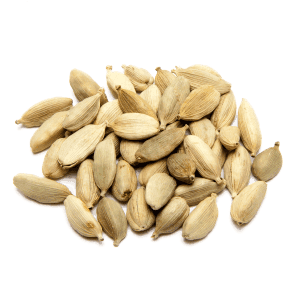
Bleached White Cardamom
Product information
Price on Request
Description
Origin/Distinction Bleached Green Cardamom (Elettaria cardamomum). The pods are dried, often using sulfur fumes or a bleaching solution (like hydrogen peroxide), to strip the chlorophyll and create a pale white or yellow color. Flavor & Aroma Milder, less pungent than Green Cardamom. The bleaching process often dulls the intense, sweet, citrusy, and minty notes. Culinary Use Used primarily in light-colored baked goods, pastries, and creamy desserts where the cook wants the cardamom flavor withou
Features & Specifications
Origin/DistinctionA different species, often referred to as Siam Cardamom or Round Cardamom (Wurfbainia compacta). It is native to Southeast Asia, particularly Thailand and Cambodia.Flavor & AromaDistinctly mild and slightly less spicy than Green Cardamom, often described as having an aroma similar to a blend of camphor and citrus.Culinary UsePopular in some Southeast Asian and Chinese cuisines, including certain curries and sometimes used as a substitute for Green Cardamom.Contents/PotencyContains similar volatile oils like cineole, but the overall balance of these compounds gives it a milder and different flavor profile than its green cousin.Key Distinction Summary: White vs. Green CardamomFeatureGreen Cardamom (E. cardamomum)White Cardamom (Bleached)AppearanceVibrant, leafy green pods.Pale white or creamy yellow pods.ProcessingCarefully dried to preserve the green color (often in controlled low heat).Bleached or treated to remove the green color.Flavor StrengthStrong, intense, and highly aromatic (sweet, citrusy, floral).Milder, less potent, and less complex.Primary UseHighly versatile: Masala Chai, Biryanis, Indian sweets (Kheer, etc.), Baking.Light-colored baking, creamy desserts, or dishes where color is a concern.
Listed: December 2, 2025