Clove (Laung)
Product information
Price on Request
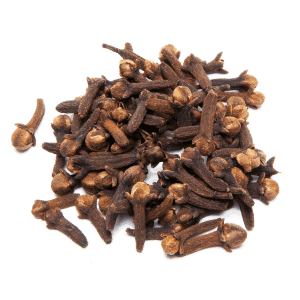
Description
IdentityDried, unopened flower buds of the clove tree (Syzygium aromaticum).ShapeDistinctive nail-like shape: a round, four-pointed head (the flower bud) on a long, thin stem (the calyx). The name "clove" comes from the Latin word for nail, clavus.Aroma & FlavorVery strong, warm, sweet-spicy, and highly aromatic. It has a pungent taste that can slightly numb the tongue.Key CompoundContains a high amount of the essential oil eugenol, which is responsible for its potent aroma and many of its medic
Features & Specifications
It appears the image you provided is of Cloves (in Hindi, Laung or Lavang).
Based on your request for "DISTRICTION AND CONTAINT" (which I am interpreting as Distinction and Containment), here is information about the spice:
🔎 Clove (Laung): Distinction & Characteristics Distinction refers to the unique features that set it apart.
Feature Description Identity Dried, unopened flower buds of the clove tree (Syzygium aromaticum). Shape Distinctive nail-like shape: a round, four-pointed head (the flower bud) on a long, thin stem (the calyx). The name "clove" comes from the Latin word for nail, clavus. Aroma & Flavor Very strong, warm, sweet-spicy, and highly aromatic. It has a pungent taste that can slightly numb the tongue. Key Compound Contains a high amount of the essential oil eugenol, which is responsible for its potent aroma and many of its medicinal properties. Color Deep reddish-brown to dark brown when properly dried. 📦 Clove: Containment & Uses Containment covers its uses in various fields, including culinary, medicinal, and other applications.
🍽️ Culinary Uses (Flavor and Aroma) Cloves are used globally in both sweet and savory dishes due to their strong, warming flavor. A small amount is typically sufficient.
Whole Cloves: Used for infusing flavor into liquids and foods where they can be easily removed.
Studding hams, onions (e.g., for stocks or sauces).
Flavoring rice dishes (like biryani), stews, and braised meats.
Hot beverages like mulled wine, hot apple cider, and certain teas.
Ground Cloves: Used where a uniform flavor is required.
Baking (e.g., pumpkin pie, gingerbread, spice cookies).
Spice blends like Garam Masala, Chinese Five-Spice Powder, and curry powders.
⚕️ Medicinal & Traditional Uses Cloves have been used in traditional medicine (like Ayurveda and Traditional Chinese Medicine) for centuries, primarily due to the anti-inflammatory and antimicrobial properties of eugenol.
Oral Health: Clove oil is a traditional remedy for toothaches and gum pain, acting as a natural anesthetic and antiseptic.
Digestion: Used to stimulate digestive enzymes, helping to relieve bloating, gas, and indigestion.
Antioxidant: Cloves are high in antioxidants, which help reduce oxidative stress.
Anti-inflammatory: The eugenol compound has been shown to have anti-inflammatory effects.
🏡 Other Applications Aromatics: Used to make fragrant pomanders (often combined with oranges) or in potpourri.
Fragrance: Clove essential oil is used in perfumes, soaps, and cosmetics.
Pest Repellent: The oil is sometimes used as an insect repellent.
Would you like to know more about the health benefits and potential side effects of cloves, or perhaps how to store them for maximum potency?
Listed: December 2, 2025